

For many older adults, staying in their own homes for as long as possible offers a sense of independence, familiarity, and comfort. Remaining in a familiar environment can make everyday routines feel easier while allowing people to maintain connections with their neighbors, communities, and personal belongings. However, as mobility, health, and daily needs change over time, a home that once worked perfectly may require thoughtful adjustments.
Aging in place involves more than simply deciding to remain at home. It means creating an environment that supports safety, accessibility, comfort, and changing care needs. From updating frequently used rooms to planning for maintenance and arranging additional support, small improvements can make a meaningful difference in daily life.
With the right preparation, homeowners and their families can identify potential challenges, prioritize practical upgrades, and develop a plan that makes independent living more manageable for years to come.

Identify Home Safety Concerns Before They Become Problems
One of the first steps toward aging in place is evaluating how well a home supports everyday activities. Tasks such as climbing stairs, stepping into a bathtub, reaching kitchen cabinets, or carrying laundry can become more challenging as mobility changes. Identifying these concerns early gives homeowners more time to make adjustments before an accident or difficult situation occurs.
Start by walking through the home and considering the activities performed in each room. Look for loose rugs, cluttered walkways, uneven flooring, poor lighting, and furniture that makes it difficult to move around. Clear pathways can reduce tripping hazards and make it easier to use a cane, walker, or wheelchair if needed.
Lighting also deserves attention. Hallways, staircases, bathrooms, and entrances should be bright enough to navigate safely, especially at night. Nightlights and motion-activated fixtures can help illuminate frequently used routes without requiring someone to locate a switch in the dark.
Bathrooms often need special consideration because wet surfaces can increase the risk of falls. Grab bars near toilets and bathing areas, nonslip flooring, handheld showerheads, and accessible seating can make personal care easier. Any grab bars should be securely installed into appropriate structural supports rather than attached with adhesive alone.
It is also helpful to consider emergency access. Make sure frequently used doors are easy to operate and that emergency contact information is readily available. A home safety assessment from a qualified occupational therapist or accessibility professional can help identify modifications that suit an individual’s needs.
Make Stairs and Entrances Easier to Navigate
Stairs can become a major obstacle when balance, strength, or endurance changes. If a bedroom, bathroom, or laundry area is located on another floor, climbing stairs several times a day may become uncomfortable or unsafe.
Whenever possible, consider rearranging the home so essential activities can take place on one level. A ground-floor bedroom, accessible bathroom, and convenient laundry arrangement can reduce the need to climb stairs. If a complete room conversion is not practical, moving frequently used items to the most accessible floor can still make daily routines easier.
For homeowners who need assistance with stairs, local stair lift services may provide options for improving access between floors. A stair lift can allow a person to travel up and down a staircase while seated, although the suitability of a particular model depends on the staircase layout, available space, and user’s mobility needs. Professional assessment and installation are important, as is maintaining clear access to the stairs for other household members.
Entrances should receive the same attention. Steps, narrow doorways, and raised thresholds can make it difficult to enter or leave the house. Depending on the property, a ramp, sturdy handrails, improved lighting, or a more accessible entrance may help.
Door hardware can also affect independence. Lever-style handles are often easier to operate than traditional round knobs for people with limited grip strength or arthritis. Similarly, doors that open smoothly and provide enough clearance can make moving between rooms less difficult.
Think about outdoor access, too. Walkways should be even and free of debris, and handrails should be secure wherever support is needed. During winter, prompt snow and ice removal can help reduce hazards around entrances.
Adapt Interior Spaces for Comfort and Accessibility
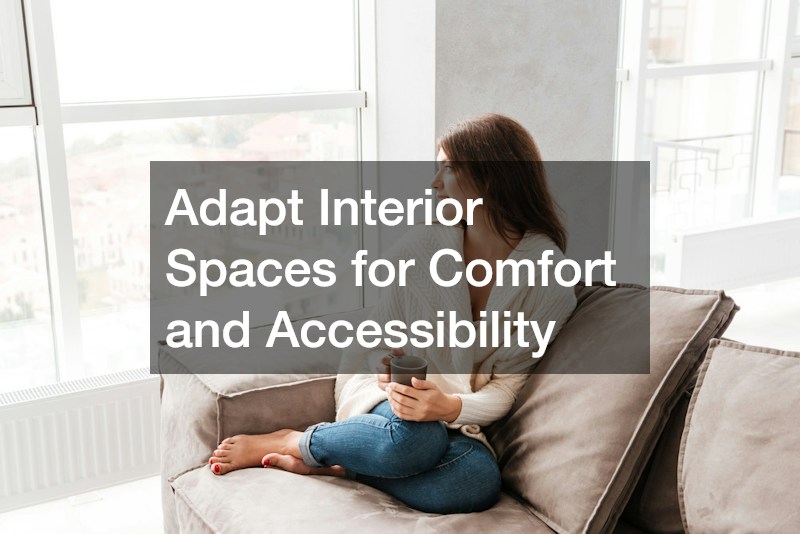
A home can be safe while still feeling welcoming and personal. Aging-in-place improvements do not have to make a property look institutional. With thoughtful planning, homeowners can create comfortable spaces that reflect their preferences while accommodating changing physical needs.
Begin with furniture placement. Leave enough space to move between chairs, tables, and doorways without squeezing through narrow gaps. Stable chairs with supportive backs and armrests can make sitting down and standing up easier. Avoid furniture that slides easily across the floor or has seats that are too low for comfortable movement.
Flooring choices also matter. Smooth, stable surfaces can be easier to navigate than thick carpeting or uneven transitions between rooms. When replacing flooring, consider slip resistance, ease of cleaning, and compatibility with mobility aids.
Color and contrast can improve visibility. Using contrasting colors for walls, floors, stair edges, and important fixtures may help people distinguish between surfaces. This can be particularly useful when vision changes make it harder to recognize edges or judge depth.
A fresh coat of paint can also make a room feel brighter and more inviting. An interior painting company can help homeowners update walls and trim while considering finishes and colors appropriate for the space. For example, lighter wall colors may help brighten rooms with limited natural light, while contrasting trim can make doorways easier to identify.
Storage should be arranged around the people who use it. Place everyday dishes, clothing, toiletries, and household supplies within comfortable reach. Avoid storing frequently needed items on high shelves or in low cabinets that require repeated bending and stretching.
Finally, preserve the personal touches that make a home meaningful. Favorite photographs, artwork, plants, and familiar furniture can help maintain a sense of continuity even as rooms are rearranged to support accessibility.
Improve Outdoor Areas and Everyday Access
Outdoor spaces can support relaxation, fresh air, gardening, and social connections. However, patios, decks, yards, and driveways may need updates to remain convenient and safe as homeowners age.
Start with the routes used most often. Check for cracked paving, uneven walkways, loose steps, and areas where water collects after rain. Repairing these problems can help reduce tripping hazards while making it easier to reach a mailbox, vehicle, garden, or outdoor seating area.
Handrails may be useful near steps and raised patios. If a deck or porch is part of the home’s regular living space, confirm that the structure is in good condition and that railings provide appropriate protection. Outdoor lighting can also improve visibility during early mornings and evenings.
Shade is another consideration, particularly for people who enjoy spending time outside during warmer months. A local canopy company may offer options for creating a shaded patio, deck, or seating area. Depending on the design, a canopy can provide relief from direct sunlight and make outdoor spaces more comfortable. Homeowners should consider wind exposure, anchoring requirements, maintenance, and local building rules before installing one.
Garden layouts can also be adapted. Raised planters, lightweight tools, accessible pathways, and seating near planting areas may make gardening less physically demanding. Choose plants that match the amount of maintenance the homeowner wants to handle.
If outdoor upkeep becomes difficult, consider simplifying the landscape. Replacing high-maintenance planting areas with manageable garden beds or other low-maintenance features can reduce physical strain while preserving an attractive yard.
The goal is to keep outdoor areas usable without making maintenance an overwhelming responsibility.
Plan for Moving Needs and Changing Living Arrangements
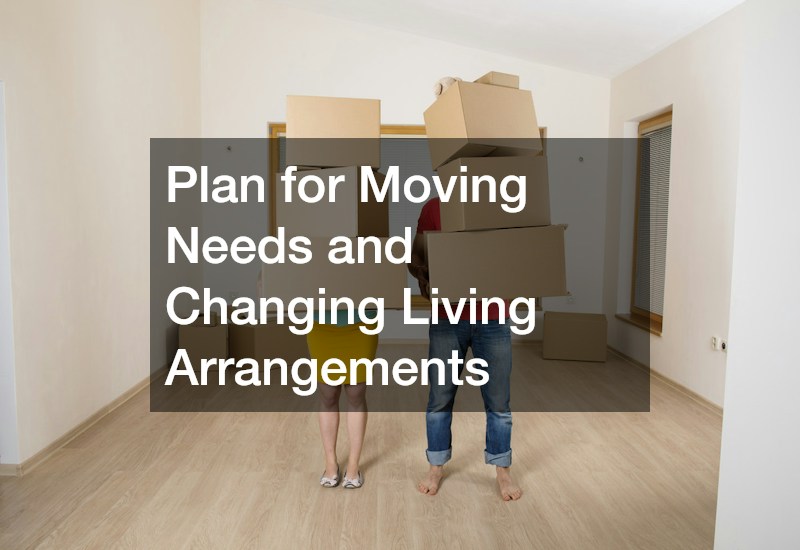
Aging in place does not always mean keeping the home exactly as it is today. Over time, homeowners may need to rearrange rooms, remove unused furniture, downsize belongings, or relocate certain items to make everyday life easier.
Decluttering can be a useful starting point. Begin with one room or category of belongings rather than attempting to reorganize the entire house at once. Clear walkways, accessible storage, and fewer unnecessary items can make a home easier to navigate and clean.
If a major rearrangement or renovation is planned, professional moving services can help transport furniture, appliances, and household belongings. Assistance may be especially useful when moving heavy items between floors, preparing a room for renovation, or relocating possessions to a more accessible area of the home.
For some people, aging in place may eventually involve moving to a smaller, single-level home or a property closer to relatives and essential services. It is worth considering these possibilities before a crisis occurs. Compare the accessibility of potential homes, the cost of necessary modifications, transportation options, and proximity to medical care and community resources.
Discuss plans with family members or trusted advisers so everyone understands the homeowner’s priorities. These conversations can help clarify which changes would make remaining at home realistic and when an alternative living arrangement might provide greater comfort or safety.
Importantly, decisions should reflect the older adult’s preferences and abilities. Planning ahead supports autonomy by giving people more time to evaluate their options rather than making rushed choices during a stressful event.
Maintain Reliable Water and Essential Home Systems
Aging in place also depends on the condition of a home’s essential systems. Plumbing, heating, cooling, electrical equipment, and water supplies need regular attention to keep the property comfortable and functional.
Start by reviewing the home’s maintenance history. Identify the age and condition of major equipment, note any recurring problems, and keep service records in one accessible location. Preventive maintenance may help catch issues before they interfere with daily routines.
Water quality is another consideration, particularly for homeowners who rely on a private well or have concerns about their household water supply. A water treatment company can assess water-related concerns and explain potential treatment options based on appropriate testing. Depending on the results, a homeowner may need filtration, disinfection, or another targeted solution rather than a general-purpose system.
Private well owners should also understand how their water supply is maintained. Well installing companies may provide information about well construction, replacement, or related services when an existing system requires professional attention. Any installation or major repair should comply with applicable regulations and be completed by appropriately qualified professionals.
Septic systems require routine care as well. Homeowners who use a private septic system should understand its maintenance schedule, know where the tank and drain field are located, and avoid placing vehicles or heavy structures over protected areas. Septic tank pumping services can help remove accumulated solids when pumping is needed based on the system’s condition, usage, and professional recommendations.
Planning for these responsibilities is particularly important if physical limitations make outdoor inspections or maintenance difficult. Establishing relationships with reliable service providers can help homeowners manage essential systems without having to handle every task themselves.

Prepare for Water Damage and Other Unexpected Repairs
Even a well-maintained home can experience unexpected problems. Leaking pipes, roof damage, appliance failures, storms, and plumbing backups can interrupt daily life and create additional challenges for older adults.
A practical maintenance plan can help reduce some risks. Check under sinks for signs of leaks, inspect visible plumbing connections, maintain appliances according to manufacturer recommendations, and address roof or drainage concerns promptly. Smoke alarms and carbon monoxide detectors should also be tested regularly, with batteries or equipment replaced as recommended.
Keep important information readily available, including insurance details, utility contacts, maintenance records, and emergency numbers. If a problem occurs, knowing whom to contact can reduce confusion during an already stressful situation.
Professionals from a local water damage company may be able to assess the affected areas and recommend appropriate cleanup and drying measures. Prompt attention is important because moisture that remains in building materials can contribute to further damage and potential mold growth.
For more extensive problems involving fire, storms, or other property damage, local restoration companies may help coordinate cleanup, repairs, and the process of returning the home to a usable condition. Homeowners should ask about the scope of work, credentials, insurance requirements, and whether specialized services are needed.
Larger repair projects can also generate significant amounts of debris. A dumpster rental company may provide a container for disposing of renovation materials, damaged furnishings, and other waste when a project requires substantial cleanup. Before arranging a rental, confirm what materials are accepted, where the container can be placed, and whether permits are required.
It is also sensible to maintain an emergency fund for home repairs. Even modest savings can help cover unexpected maintenance costs without immediately disrupting other financial priorities.
Arrange Support for Daily Tasks and Personal Needs
Home modifications are only one part of a successful aging-in-place plan. Many older adults also benefit from practical assistance with daily responsibilities, particularly when household tasks become physically demanding.
Start by identifying which activities are easy to manage independently and which require extra effort. Cooking, cleaning, laundry, grocery shopping, transportation, yard maintenance, and medication organization may all need different types of support.
Some homeowners may benefit from occasional help, while others may require regular assistance. Options can include housekeeping services, meal delivery, transportation programs, home care professionals, and community organizations. The right combination depends on personal preferences, available resources, and the level of support required.
It is useful to distinguish between household assistance and personal care. Help with cleaning or errands may reduce the workload without requiring hands-on care. Personal care services, on the other hand, may support activities such as bathing, dressing, or other daily routines. Individuals who need medical care at home should consult appropriate healthcare professionals about suitable services.
Technology may offer additional support. Video calling, medication reminders, smart lighting, doorbell cameras, and emergency alert devices can help people stay connected and manage certain routines. Choose technology that is easy to use and addresses a specific need rather than adding unnecessary complexity.
Social interaction matters, too. Regular visits, phone calls, community activities, and accessible transportation can help older adults maintain relationships and avoid isolation. A strong support network can make remaining at home more comfortable while giving relatives greater confidence in the overall plan.
Build a Financial Plan for Long-Term Independence
Aging in place can involve significant expenses, so financial preparation deserves attention alongside safety and accessibility improvements. Costs may include home modifications, routine maintenance, utility bills, professional care, transportation, and unexpected repairs.
Begin by reviewing current household expenses and estimating how they might change over time. Consider which improvements are urgent, which can be completed gradually, and which services may become necessary in the future.
Obtaining multiple estimates for major projects can help homeowners compare costs and understand the proposed work. Ask contractors to explain what is included, whether permits are required, and how the project may affect access to essential rooms during construction.
It is also worth researching potential financial assistance. Depending on eligibility and location, older adults may qualify for certain home modification programs, local aging services, veterans’ benefits, or other forms of assistance. Program requirements vary, so confirm current rules with the relevant organization before relying on a particular benefit.
Review insurance coverage and understand how deductibles, exclusions, and maintenance responsibilities may affect out-of-pocket expenses. Homeowners should not assume that every aging-in-place modification or property repair will be covered.
For long-term care planning, consider how needs might change if additional assistance becomes necessary. Discuss available resources with trusted financial or legal professionals when appropriate. Planning for different possibilities can help individuals make decisions based on their priorities rather than waiting until support becomes urgent.
Create a Home That Supports Your Future
Making aging in place easier, safer, and more comfortable begins with understanding how a home supports everyday life. Improving lighting, addressing fall hazards, adapting stairs and entrances, and maintaining essential systems can all contribute to a more accessible environment.
It is equally important to plan for future maintenance, household assistance, financial needs, and changing mobility. Not every improvement has to happen immediately. A realistic plan allows homeowners to prioritize the most important changes and complete additional projects as their circumstances evolve.
Above all, aging in place should support independence without compromising safety or well-being. By combining practical home modifications with reliable services, thoughtful budgeting, and a strong support network, older adults can work toward remaining in a familiar environment that continues to meet their needs through the years ahead.


