
Electricity bills that seem higher than expected are a common source of frustration for homeowners. Excessive electricity usage can result from a mix of outdated equipment, hidden inefficiencies, or habits that aren’t immediately obvious. Understanding the root causes is the first step toward reducing energy consumption, improving home efficiency, and lowering costs.
High energy use not only affects monthly bills but also contributes to unnecessary environmental impact. By taking a closer look at how electricity is being consumed, homeowners can identify areas where improvements are possible. Small adjustments, system upgrades, and professional interventions can make a substantial difference in overall energy use.
The following sections explore ten common causes of excessive electricity consumption and provide actionable solutions that help homeowners regain control over their energy usage.
1. Outdated Appliances and Electronics
Old or inefficient appliances are often major contributors to high electricity consumption. Refrigerators, ovens, washers, and dryers manufactured more than a decade ago typically use significantly more energy than modern, energy-efficient models. Electronics such as older TVs, computers, and gaming systems also draw more power than newer alternatives, even when in standby mode.
One solution is to upgrade to ENERGY STAR-rated appliances and electronics. These products meet strict energy efficiency guidelines and can drastically reduce electricity usage. In addition, being mindful of operating habits, such as running full loads in washers or drying clothes efficiently, further enhances energy savings.
A window company can also play an indirect role by offering modern windows that improve insulation, reducing the need for frequent appliance-heavy heating or cooling cycles. Pairing appliance upgrades with better-insulated living spaces can maximize efficiency and reduce unnecessary energy draw across the home.
2. Inefficient Lighting
Lighting can account for a surprisingly large portion of household electricity usage. Incandescent bulbs and halogen lights consume significantly more power than energy-efficient alternatives. Leaving lights on in unoccupied rooms or using fixtures with poor efficiency can quickly add up over time.
Replacing traditional bulbs with LED or compact fluorescent options is a simple, cost-effective way to reduce energy consumption. Dimmers and motion sensors can further optimize lighting use, ensuring electricity is only used when needed.
Shading solutions such as blinds or shades also complement lighting efficiency. By controlling natural light and reducing the need for artificial illumination during daylight hours, homes can rely less on electric lighting. This combination of modern lighting and smart shading improves energy efficiency while enhancing comfort.
3. Poor Home Insulation
Heat transfer through walls, ceilings, and attics can make heating and cooling systems work harder, driving up electricity usage. Poor insulation not only wastes energy but also contributes to uneven temperatures, drafts, and reduced overall comfort in the home.
Working with an experienced insulation contractor allows homeowners to identify gaps and areas where insulation is inadequate. Adding insulation to attics, walls, and basements creates a thermal barrier, reducing the need for excessive energy use for heating or cooling.
Proper insulation works hand-in-hand with other energy-saving upgrades. For example, sealing drafts around windows and doors or adding ceiling fans can maximize the benefits of insulation improvements. A well-insulated home supports long-term electricity savings while maintaining consistent indoor comfort year-round.
4. Roof and Attic Heat Gain
The roof plays a critical role in regulating indoor temperatures. Poor roofing materials or lack of reflective coatings can cause significant heat gain during summer, forcing air conditioning systems to run longer and consume more electricity. Leaks and aging roofing can also contribute to inefficiency.
Consulting a residential roofer to assess the roof’s condition and make upgrades such as reflective coatings, proper ventilation, or new roofing materials can greatly reduce heat-related energy consumption. Regular inspections prevent minor issues from escalating into costly energy drains.
A cooler attic and properly maintained roof decrease the load on HVAC systems. Over time, this not only lowers electricity bills but also prolongs the life of home cooling systems, ensuring that energy use remains optimized throughout seasonal changes.
5. Solar Energy Opportunities
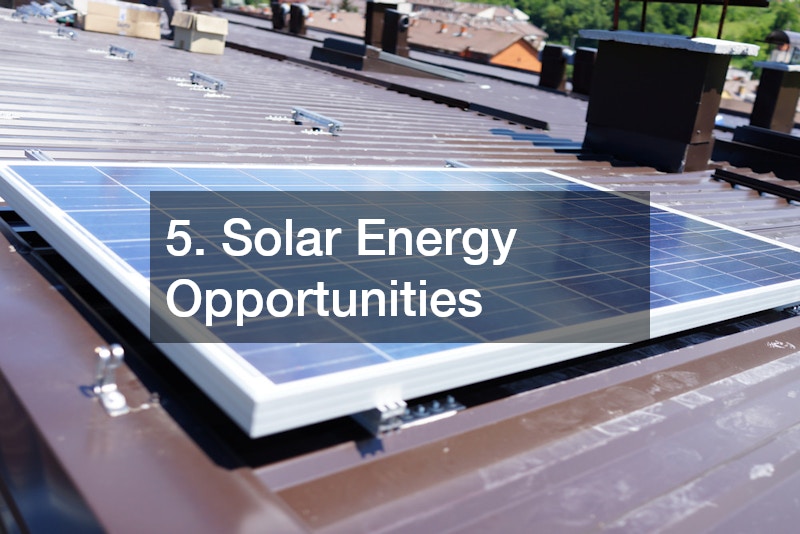
While excessive electricity usage can be a problem, incorporating alternative energy sources can offset demand and reduce reliance on the grid. Solar energy systems capture sunlight and convert it into usable electricity, helping homes meet their energy needs more efficiently.
Installing solar panels allows homeowners to produce a portion of their electricity, which reduces strain on traditional systems and lowers monthly utility costs. Properly sized systems and strategic placement maximize output and ensure that solar energy is effectively used throughout the home.
Integrating solar energy with other energy efficiency measures, such as insulation, window upgrades, or home automation, multiplies savings. By harnessing renewable energy, homes not only decrease electricity usage from conventional sources but also contribute to a more sustainable living environment.
6. HVAC Inefficiencies
Heating, ventilation, and air conditioning (HVAC) systems are among the largest electricity consumers in most homes. Inefficient operation, poor maintenance, and aging equipment can all contribute to unnecessary energy use, driving up utility bills while reducing overall comfort. Even small inefficiencies, such as clogged filters, dirty coils, or improperly calibrated thermostats, force HVAC systems to work harder than necessary, resulting in higher electricity consumption and uneven indoor temperatures. Homes with older units or outdated ductwork often experience noticeable hot or cold spots, requiring additional energy to maintain consistent comfort throughout the living space.
Professional HVAC contractors can play a critical role in addressing these inefficiencies. Technicians can inspect the system, clean essential components, replace filters, and ensure that equipment is functioning according to manufacturer specifications. Upgrades such as programmable thermostats, zoning systems, or energy-efficient units allow homeowners to better control heating and cooling schedules, reducing electricity usage without sacrificing comfort. Regular maintenance also extends the life of HVAC systems, preventing costly repairs and supporting consistent performance over time.
Combining HVAC improvements with complementary energy-saving measures maximizes efficiency and minimizes wasted electricity. Proper insulation, sealing air leaks, and strategic window treatments or shades help maintain stable indoor temperatures, reducing the workload on heating and cooling systems. Your local window company may offer energy-efficient glazing options that help prevent heat loss in winter and reduce heat gain in summer. Efficient HVAC operation not only lowers electricity consumption but also enhances overall comfort, supports other energy-saving upgrades, and protects long-term home energy costs. When optimized in conjunction with whole-home strategies, HVAC systems become a key driver of energy efficiency, cost savings, and sustainable living.
7. Garage Energy Usage
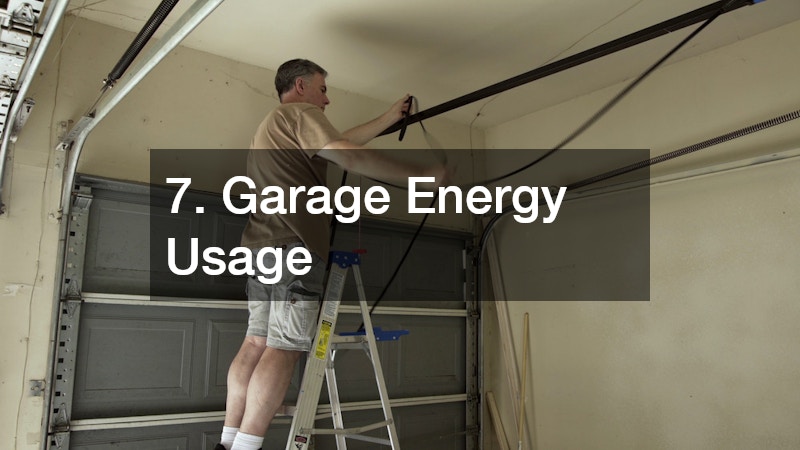
Garage areas are frequently overlooked when evaluating a home’s electricity consumption, yet they can be a significant source of wasted energy. Many homeowners do not realize that old lighting fixtures, poorly insulated garage doors, and the frequent operation of appliances in the space contribute to higher electricity bills. Inefficient lighting alone can account for unnecessary energy draw, while temperature fluctuations caused by inadequate insulation can force HVAC systems to work harder to maintain comfortable conditions in adjacent living areas. Additionally, garages that double as workshops or laundry spaces often have appliances and tools running for extended periods, further increasing electricity use.
Upgrading the garage door opener to a modern, energy-efficient model is one of the simplest ways to reduce electricity consumption in this area. Newer openers use less power and often include smart features such as timers or remote control, which prevent energy waste from devices running unnecessarily. Adding insulation to the garage walls and doors helps maintain consistent temperatures, reducing the need for heating or cooling spillover from the home. Replacing outdated lighting with energy-efficient LED fixtures ensures that illumination uses the minimum electricity required while maintaining safety and visibility.
Focusing on garage energy use is an important component of a whole-home energy strategy. Even small adjustments in this space can produce measurable reductions in overall electricity usage. When combined with upgrades in appliances, lighting, HVAC systems, and smart home technologies, improvements in the garage contribute to a more energy-efficient home. By addressing this often-overlooked area, homeowners can achieve lower utility costs, improved comfort, and a more comprehensive approach to sustainable living.
8. Backup Power and Generators
Homes that rely on backup power systems often experience hidden electricity usage that can go unnoticed until bills rise or energy inefficiencies become apparent. Even when generators are not actively supplying power, improperly maintained units, inefficient transfer switches, or outdated controls can draw electricity unnecessarily. Over time, these hidden loads can add up, increasing overall energy consumption and reducing the effectiveness of other energy-saving upgrades throughout the home.
Professional generator services play a crucial role in ensuring backup systems operate efficiently. Licensed technicians can inspect generators, verify proper sizing for the home, test transfer switches, and perform routine maintenance to prevent energy waste. Regular servicing also ensures that backup systems function reliably during power outages, providing peace of mind while optimizing energy use under normal conditions. Efficiently maintained generators avoid unnecessary draw on the electrical system and help integrate the backup power with other household systems.
Integrating backup generators with solar energy or home automation further enhances efficiency. Smart systems can coordinate generator operation with energy production and household demand, ensuring that power is only used when necessary. By combining generator services with broader energy-saving strategies, homeowners can prevent excess electricity usage, reduce utility costs, and maintain a reliable and safe backup system. This approach not only protects the home during outages but also contributes to a more sustainable, energy-efficient living environment over the long term.
9. Electrical System Issues
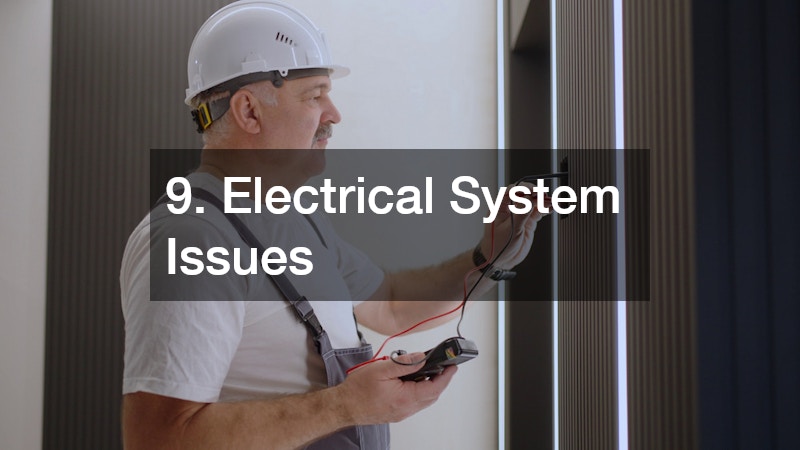
Faulty wiring, outdated panels, and improperly configured circuits are common but often overlooked causes of energy loss in homes. Electrical inefficiencies can lead to higher electricity bills, reduced performance of appliances, and in some cases, serious safety hazards such as overheating or fire risks. Even minor issues like loose connections, worn-out breakers, or outdated panel capacities can contribute to unnecessary energy consumption over time, quietly increasing monthly costs while reducing overall system reliability.
Engaging licensed electrical contractors is essential to address these issues effectively. Professionals can conduct thorough inspections to identify hidden problems, such as circuits that draw more power than necessary or wiring that fails to meet current code requirements. Upgrading the electrical panel, installing surge protection, and ensuring proper wiring layouts not only improve energy efficiency but also enhance safety and long-term system stability. These upgrades allow all connected appliances, lighting, and HVAC systems to operate at peak performance without the waste that can occur in poorly maintained circuits.
Addressing electrical system inefficiencies provides a solid foundation for all other energy-saving measures in the home. Once wiring and panels are modernized, homeowners can take full advantage of additional energy-efficient upgrades such as smart home automation, high-efficiency HVAC systems, or solar energy installations.
10. Smart Home and Automation Solutions
Home automation provides homeowners with unprecedented control over energy usage throughout the day. Modern smart systems allow lighting, climate, and appliances to operate according to schedules or occupancy patterns, ensuring electricity is only used when it’s needed. For example, automated lighting can turn off in empty rooms, thermostats can adjust temperatures based on the time of day, and appliances can run during off-peak hours to save on electricity costs. This level of control reduces unnecessary energy consumption and ensures that energy use aligns with actual household activity.
Investing in home automation solutions also empowers homeowners to monitor their energy habits more closely. Many systems provide real-time feedback on electricity usage, making it easier to identify areas of waste or inefficiency. Alerts and analytics can highlight devices that consume more energy than expected, helping homeowners make informed decisions about upgrades or changes in usage patterns.
Beyond savings, smart home technologies offer a new level of convenience and comfort. Automation allows homes to maintain consistent temperatures, ensure proper lighting, and operate appliances without manual intervention. It also contributes to long-term energy efficiency by minimizing human error—lights left on, HVAC running unnecessarily, or appliances operating at peak times all become automated tasks managed intelligently.
Excessive electricity usage is often the result of multiple small inefficiencies that compound over time. By addressing outdated appliances, poor insulation, HVAC inefficiencies, and other hidden energy drains, homeowners can dramatically reduce electricity consumption. Incorporating professional services and modern technology, such as smart home automation, solar energy, and generator optimization, ensures that homes operate efficiently and sustainably.
A holistic approach to energy efficiency combines lifestyle adjustments with targeted upgrades, leading to lower utility bills, improved comfort, and a smaller environmental footprint. Taking the time to evaluate and correct these ten common causes creates a home that is both cost-effective and energy-smart for the long term.