Managing household expenses while maintaining a comfortable living environment is a goal for many homeowners. Energy costs continue to rise, and utility bills can easily become one of the largest monthly expenditures. Fortunately, making a residence more energy efficient and budget-friendly does not always require a complete structural overhaul or tens of thousands of dollars in major renovations. Small, strategic modifications can lead to substantial long-term savings while reducing your environmental footprint.
By taking a systematic approach to home maintenance, you can lower energy waste, extend the lifespan of your essential systems, and protect your property value. From optimizing heating and cooling performance to stopping water leaks and improving structural insulation, practical updates offer an impressive return on investment. The key lies in understanding where energy and money are being lost and implementing targeted solutions to address those inefficiencies.
Heating and Cooling Optimization

Heating and cooling account for more than half of the energy consumed in an average residential property. When climate control systems operate inefficiently, utility costs spike and the equipment experiences unnecessary strain. Taking simple steps to maintain these systems keeps your indoor environment comfortable year-round while keeping expenses under control.
Programmable Thermostats and Smart Settings
Installing a programmable or smart thermostat is one of the quickest ways to reduce monthly heating and cooling expenses. These devices allow you to set customized schedules so that you are not wasting energy conditioning an empty house. By automatically turning down the heat or raising the cooling temperature when you are at work or sleeping, you can reduce energy usage significantly without compromising on comfort.
Regular Maintenance and Filter Changes
Air filters accumulate dust, pet dander, and debris, forcing your climate control equipment to work much harder to push air through the home. Replacing air filters every one to three months improves airflow, maintains indoor air quality, and protects internal components. Scheduling regular tune-ups with a qualified professional for furnace repair helps catch small mechanical issues before they turn into costly system failures.
Inspecting and Sealing Ductwork
Exposed ductwork in basements, attics, or crawl spaces often develops small gaps or loose connections over time. Heated or cooled air escaping through these leaks can waste a large percentage of your HVAC output. Sealing duct joints with foil tape or duct mastic prevents conditioned air from leaking into unconditioned spaces, ensuring your home reaches the desired temperature faster and with less energy.
Timely Equipment Servicing
Ignoring minor noises, uneven airflow, or cycling issues can lead to severe mechanical breakdowns. Addressing system problems immediately through prompt air conditioner repairs ensures that your cooling equipment operates at peak efficiency during hot summer months. Proper seasonal adjustments reduce energy consumption and lengthen the operational lifespan of expensive mechanical units.
Preparing Systems for Seasonal Transitions
Before winter arrives, preparing your heating unit ensures reliable and safe performance when temperatures drop. Professional heating repairs correct worn belts, dirty burners, or failing ignition controls that degrade performance. Taking proactive steps before extreme weather hits avoids peak-season emergency callouts and keeps utility bills predictable.
Envelope and Insulation Upgrades
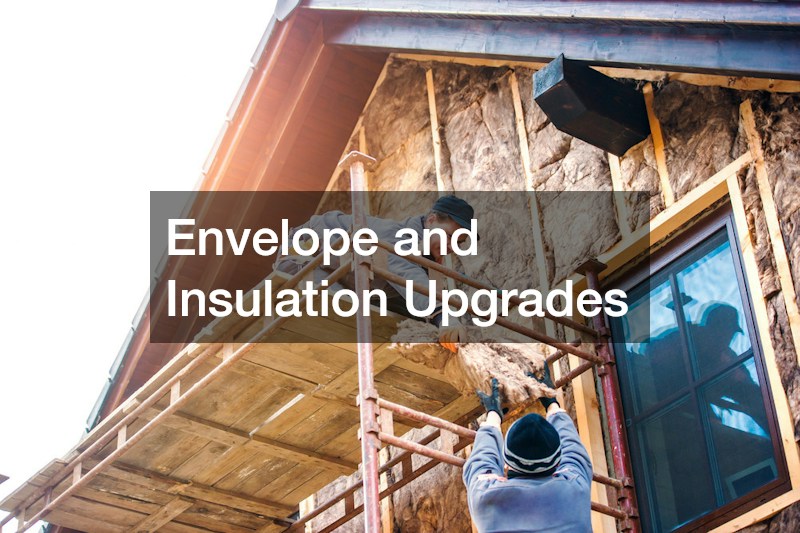
Your home envelope consists of the walls, roof, doors, and windows that separate the interior living space from the outside elements. Strengthening this barrier keeps conditioned air inside and prevents external temperature fluctuations from forcing your climate control equipment to work overtime.
Sealing Air Leaks Around Doors and Windows
Drafts around window frames and exterior doors allow outside air to enter, creating temperature imbalances and high utility costs. Applying fresh caulk around window perimeters and installing weatherstripping on door frames seals these unwanted openings. Draft stoppers placed at the base of exterior doors offer an inexpensive, immediate fix for persistent bottom drafts.
Upgrading Attic and Wall Insulation
Insufficient insulation is a primary cause of heat loss in winter and heat gain in summer. Adding loose-fill cellulose or fiberglass batts to an under-insulated attic creates a thermal blanket that traps warmth inside during cold months. Properly insulated exterior walls maintain consistent indoor temperatures and significantly reduce the workload on your heating and cooling equipment.
Installing Window Treatments and Solar Film
Window glass transfers heat readily, leading to unwanted heat gain in summer and thermal loss in winter. Hanging thermal-lined curtains or installing cellular shades adds an additional layer of insulation over window panes. Reflective solar films applied directly to glass reflect ultraviolet rays and reduce heat build-up without sacrificing natural sunlight.
Protecting Subfloors and Basements
Ground moisture and cold air can easily infiltrate crawl spaces and unfinished basements, cooling the floor structure above. Adding foam insulation boards or roll insulation between floor joists helps maintain warmer indoor floors during winter. Inspecting lower structural levels for draft points or foundation sealing helps keep moisture out while locking thermal energy inside the home.
Managing Flooring Materials and Coverings
The materials covering your subfloors play a notable role in thermal retention and room comfort. Installing quality carpets with thick underlayment adds insulating value to cold subfloors, making rooms feel warmer in winter. Choosing energy-efficient flooring options along with area rugs provides both aesthetic appeal and enhanced room temperature management.
Water Conservation and Plumbing Efficiency
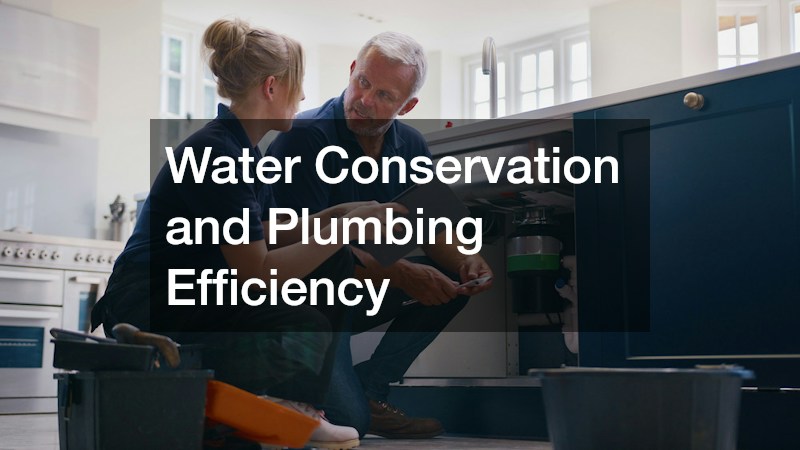
Water heating and usage represent another significant portion of monthly utility budgets. Leaky fixtures, high flow rates, and inefficient water heaters silently drain money from your wallet while wasting precious resources.
Fixing Silent Leaks and Dripping Faucets
A single dripping faucet can waste hundreds of gallons of water over the course of a year. Replacing worn rubber washers, O-rings, or ceramic cartridges restores proper seal function and stops continuous drips. Checking toilets for hidden flapper leaks by dropping food coloring into the tank prevents gallons of clean water from continually leaking down the drain.
Installing Low-Flow Fixtures
High-efficiency showerheads and faucet aerators restrict water flow without sacrificing pressure. Modern aerators mix air into the water stream, providing a strong spray while reducing water usage by up to fifty percent. Installing these low-cost devices across all household sinks instantly lowers both water bills and the energy required to heat hot water.
Insulating Water Pipes and Heater Tanks
Exposed hot water pipes lose heat as water travels from the heater to your taps, requiring you to run water longer before it reaches the desired temperature. Wrapping foam pipe sleeves around hot water lines keeps water warm for longer periods. Adding an insulating blanket to older water heater tanks prevents standby heat loss and reduces energy consumption.
Hiring Skilled Plumbing Professionals
While minor maintenance tasks are easy to handle yourself, complex system assessments often require expert evaluation. Working with experienced local plumbers ensures that your entire pipe network is running at peak efficiency without hidden leaks or pressure drops. Expert guidance helps you prioritize upgrades that deliver maximum financial savings.
Expert Plumbing Upgrades and Maintenance
Major infrastructure improvements, such as replacing aging galvanized steel pipes or upgrading to tankless water heating systems, offer long-term efficiency benefits. Consulting a licensed plumbing contractor allows you to select the correct unit size and flow rates for your household needs. Tankless systems heat water on demand, eliminating the continuous energy cost of keeping a large tank hot around the clock.
Comprehensive Water Management and Repairs
When plumbing emergencies or pipe bursts occur, immediate professional intervention is necessary to prevent structural damage. Utilizing expert water damage services ensures that hidden moisture is completely dried out before mold can develop or structural timbers rot. Proper moisture remediation protects indoor air quality and safeguards the integrity of your living spaces.
Ensuring Long-Term Plumbing System Reliability
Periodic inspection of your drainage networks, pressure valves, and main shut-off valves stops small plumbing issues from becoming catastrophic home disasters. Expert plumbing services maintain your home infrastructure in optimal working order, avoiding emergency repairs and preserving home value over time.
Electrical and Lighting Efficiency
Electricity usage often climbs quietly due to phantom loads and inefficient lighting choices. Streamlining your home power setup reduces electricity costs while modernizing your living space.
Transitioning to LED Lighting
Incandescent and halogen bulbs waste up to ninety percent of their energy as heat rather than light. Replacing outdated bulbs with modern light-emitting diodes cuts lighting energy usage dramatically. LEDs use a fraction of the wattage, last tens of thousands of hours, and do not generate extra heat that your cooling system must fight against during summer.
Eliminating Standby Power Waste
Electronics, chargers, televisions, and small appliances continue to draw power even when turned off, a phenomenon known as phantom load. Plugging entertaining centers, computer desks, and kitchen counters into smart power strips eliminates this waste. Smart strips cut power to peripheral devices completely when the main appliance is turned off, saving energy without hassle.
Utilizing Timers and Motion Sensors
Outdoor floodlights and indoor passage lights are often left running longer than necessary. Installing motion-sensor switches in hallways, garages, and outdoor areas ensures lights operate only when motion is detected. Automated timers on porch lights guarantee fixtures turn off at dawn, keeping outdoor security lighting efficient and effective.
Upgrading to Energy Star Appliances
When old kitchen or laundry appliances reach the end of their operational life, replacing them with certified energy-efficient models provides lasting benefits. Modern refrigerators, dishwashers, and washing machines consume far less electricity and water than models made a decade ago. Over the life of the appliance, energy savings can recoup a significant portion of the initial purchase cost.
Smart Power Management for Home Offices
With more people working from home, home office equipment can become a significant source of power draw. Configuring power-saving settings on computers, monitors, and printers puts devices into low-power sleep modes during breaks. Turning off heavy electronics at the end of the workday prevents unnecessary power consumption overnight.
Outdoor Maintenance and Passive Energy Savings
The exterior surroundings of your home offer multiple opportunities to manage indoor climate control costs naturally. Landscaping choices, roof maintenance, and proper exterior drainage work together to improve overall residential efficiency.
Strategic Landscaping for Shade and Windbreaks
Planting deciduous trees on the south and west sides of your property provides natural shade in summer, keeping sunlight off walls and roofs. In winter, those same trees drop their leaves, allowing solar rays to pass through and naturally warm the home. Evergreen shrubs along northern walls create windbreaks that buffer cold winter winds, lessening heating demands.
Maintaining Roofs and Gutters
Clean, clear gutters prevent water from backing up under shingles and entering the home structure. Maintaining your roof surface keeps heat from escaping through compromised attic spaces and prevents water intrusion that can damage ceiling insulation. Proper roof ventilation allows trapped summer heat to exit the attic, keeping lower living spaces cooler.
Managing Solar Heat Gain
Sunlight shining through windows can quickly overheat rooms, driving up cooling costs. Installing awnings over sun-exposed windows blocks direct light before it enters the glass. Light-colored window coverings or reflective exterior shades help keep living areas cool naturally during hot afternoon hours.
Sealing Structural Cracks and Foundations
Cracks in your exterior masonry or basement walls allow moisture and unconditioned air to enter the home structure. Inspecting the perimeter for structural gaps and completing basic foundation sealing prevents air infiltration while protecting structural stability. Keeping subterranean walls tightly sealed also deters pest intrusion and maintains lower floor comfort.
Comprehensive Systems Optimization
Achieving maximum residential performance requires balancing all your interior systems effectively. Balancing airflow, ensuring proper drainage, and seeking professional HVAC services when systems underperform guarantees that your home operates cleanly and efficiently. A balanced home uses less energy, costs less to run, and stays comfortable throughout every season of the year.
Long-Term Value and Sustainable Savings
Improving your property does not require undertaking massive construction projects or spending vast sums of money. By focusing on targeted, practical updates, you can transform your home into an efficient, cost-effective space that costs far less to operate every month.
Taking time to seal air leaks, maintain equipment, upgrade lighting, and conserve water builds momentum toward a more sustainable lifestyle. The cumulative effect of these smaller projects is lower utility costs, improved indoor air quality, and increased overall home comfort for years to come.
Start by tackling the smallest, easiest fixes first, such as installing LED bulbs, changing air filters, and placing draft stoppers at doors. As you see savings reflect in your monthly utility statements, you can roll those financial gains into medium-term projects like added insulation or professional system maintenance. Investing in your home efficiency pays immediate dividends and builds lasting value for the future.